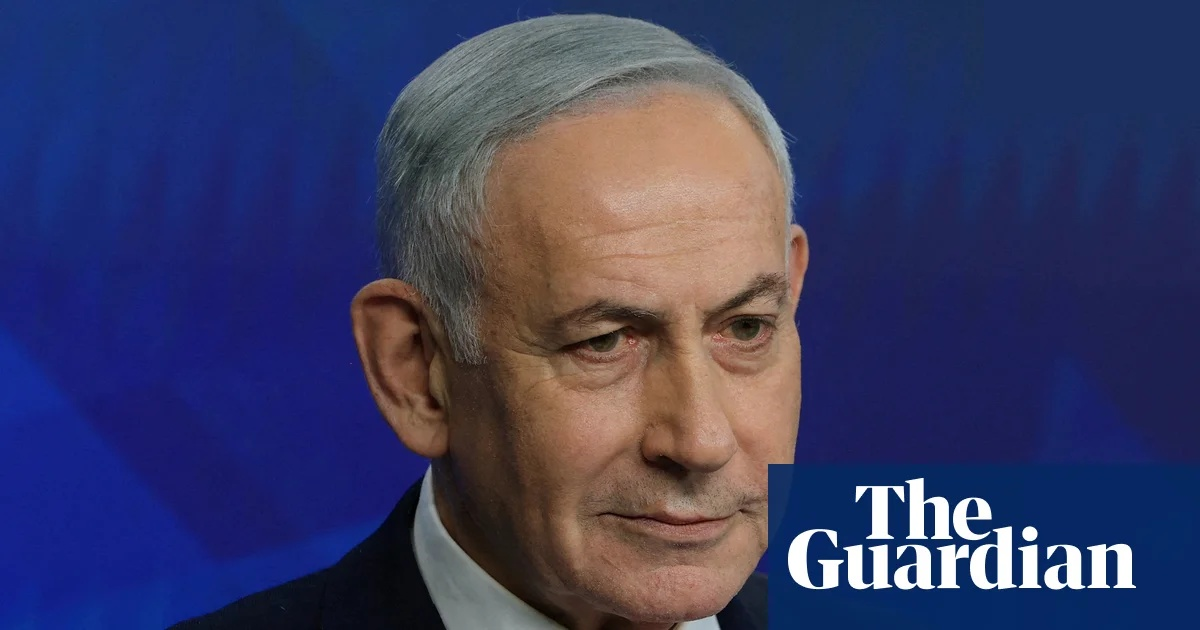
Benjamin Netanyahu on Sunday publicly rejected a new 15-point plan for Gaza, despite reports that he had discussed details of a pilot Israeli military withdrawal only days earlier, exposing mounting tension between his domestic far-right allies and the Trump administration.
The plan included a Hamas commitment to give up its weapons, meeting a key Israeli demand. Netanyahu also pushed back against US pressure to end the wars in Gaza, Lebanon and Iran without Israel’s approval, as he faces an Israeli election in just over two months.
His remarks drew scepticism in Israel after reports that commanders had been discussing implementation of the proposal in meetings with Netanyahu and IDF chief of staff Eyal Zamir. One defence official was quoted as saying: “We learned about it today from the media,” adding that the prime minister had personally approved the plan and a withdrawal from positions in Rafah.
Those meetings reportedly covered the precise boundaries of three pilot areas in southern Gaza where a proposed international force could replace Israeli troops, as well as how the two forces would coordinate. The force, however, has not yet been established.
Netanyahu’s public attack on the proposal was seen as a pointed rebuff to Washington because it came soon after a reported visit by Adm Brad Cooper, head of US Central Command. He was said to have delivered a message in person that the Trump administration wants Israel to shut down operations in all three theatres.
A senior Israeli military officer was quoted as saying the Americans wanted movement “in the direction of shutting down all three theatres of operations”. Defying Trump carries risks for Israel at a time of international isolation and continued dependence on US diplomatic backing and military supplies.
Even so, Netanyahu has a long record of political manoeuvring in the face of pressure from Washington. In May 2024, then US president Joe Biden announced an Israeli-backed ceasefire and hostage release plan for Gaza, only for Netanyahu to distance himself from it and ultimately reject it.
For now, Washington appears to have treated Netanyahu’s latest comments largely as electioneering. That view may have been reinforced by military steps suggesting greater responsiveness to US wishes, including a decision last week to scale back Israeli airstrikes on Gaza by raising the threshold for authorising attacks.
Under the new rule, targeted killings must be approved by the chief of staff rather than a regional commander, unless Israeli forces are in “imminent danger”. Netanyahu has also previously curbed operations under US pressure, recently limiting the offensive in Lebanon and last year ordering fighter jets headed for Iran to turn back at Trump’s demand.
Still, the balancing act may not hold until polling day in late October, especially as Trump is weighing his own political concerns ahead of US midterms a week after Israel votes. Netanyahu’s visit to the White House last month was notably low profile and ended without a joint statement, underlining strains in the relationship.
The top envoy for the Board of Peace, Nickolay Mladenov, declined to comment directly on Netanyahu’s rejection of a deal that took months to negotiate, saying only that “discussions continue”. Netanyahu’s office, meanwhile, rejected reports that he had discussed detailed withdrawal plans for Gaza.
The dispute comes as Palestinians in Gaza endure nearly a year of uncertainty after Trump brokered a nominal ceasefire last October that was meant to halt fighting and open the way for reconstruction. Israeli attacks have continued, killing over 1,200 people, while restrictions on equipment, supplies and fuel have hampered rebuilding; more than 70,000 children are projected to need treatment for acute malnutrition by April 2027.